Source Desktop Led Fat Reducing Instrument for Body, Face, and Arms
Source a desktop led fat reducing instrument from 30 verified listings. Compare models like FAF205 and FLMT1382 for skin tightening, weight loss, and body contouring applications in salons and clinics; compare the available evidence and request quotations based on your requirements.
Key considerations
Products List
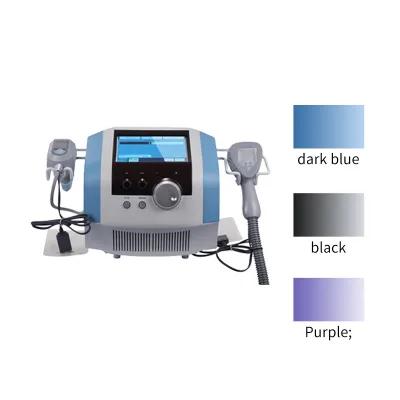
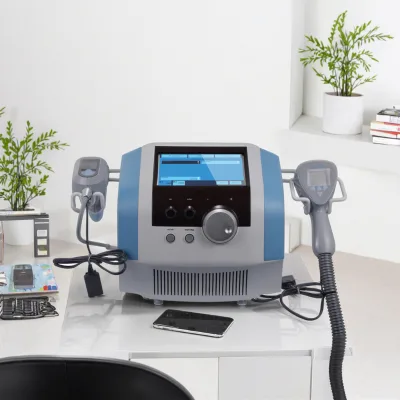
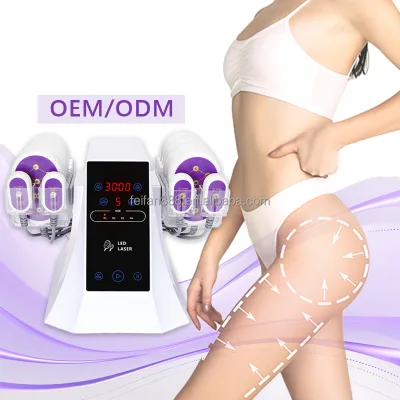

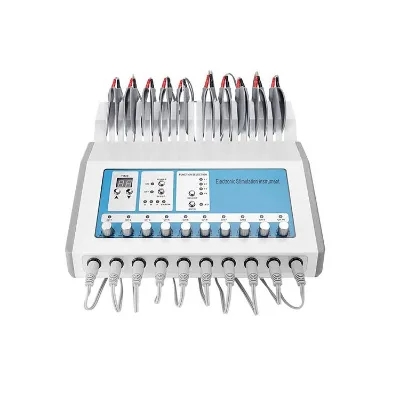
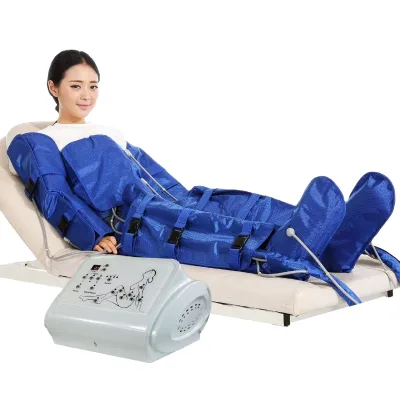


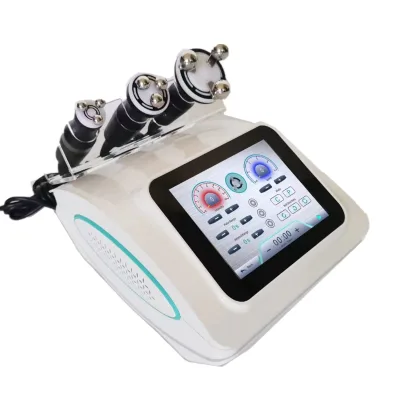
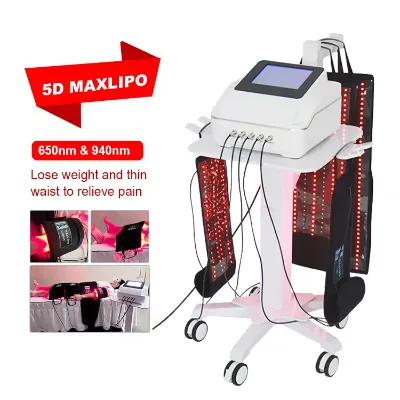
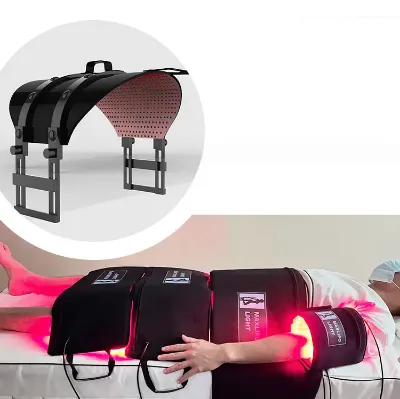





Comprehensive Sourcing Guide
Desktop LED Fat Reducing Instrument Sourcing Guide
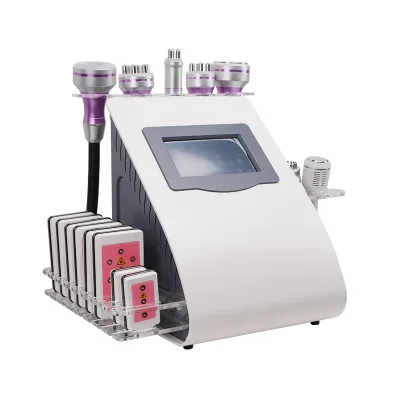
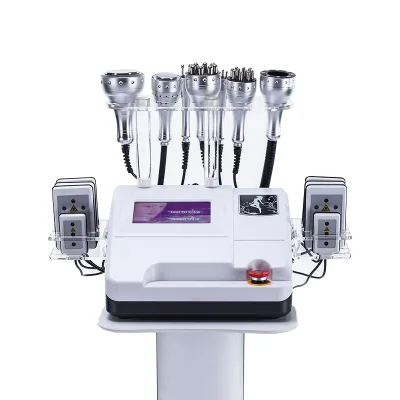
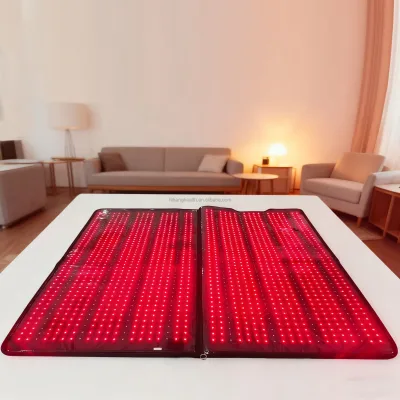
Procurement teams evaluating desktop LED fat reducing instruments must first distinguish between general slimming devices and those with specific skin tightening capabilities. The observed market data indicates a clear segmentation where some units prioritize body contouring while others focus on facial rejuvenation and wrinkle removal. Buyers should verify that the specific model selected aligns with their intended treatment areas, as the available inventory ranges from devices targeting the whole body to those designed specifically for the face and hands.
Commercial listings reveal significant variation in physical dimensions and power consumption, which directly impacts operational logistics and salon integration. While some desktop units are compact with a single gross weight of 6 kg, others are heavier, reaching up to 17 kg, necessitating different shipping and handling strategies. Understanding these physical constraints is essential for determining whether the equipment fits within existing clinic spaces or requires specialized installation and power infrastructure to operate safely and effectively.
Product Scope and Observed Listing Signals
The product scope for desktop LED fat reducing instruments encompasses a wide array of features, including skin tightening, weight loss, and firming capabilities. Buyers must carefully review the listed applications to ensure the device supports the specific treatments they intend to offer, such as body lifting or facial rejuvenation. The observed data shows that while many units claim broad application areas like the legs, arms, and face, the actual efficacy and design focus can vary significantly between different model numbers and manufacturers.
Listing signals also highlight the importance of verifying the operating head configuration, as some devices come with dedicated body and facial heads while others may have a single universal handle. The presence of multiple handles, such as the 16-handle configuration observed in certain listings, suggests a high-throughput capability suitable for commercial environments. Procurement teams should cross-reference these feature lists with their service menus to ensure the selected instrument can deliver the promised results for both body and facial treatments without requiring additional attachments.
Technical Specifications to Verify
Technical verification begins with the power source and voltage compatibility, as the observed listings show a mix of 110V and 220V options with varying frequency requirements. Buyers must confirm that the device's rated power, which ranges from low-consumption units under 40W to higher-output models around 250W, matches the electrical capacity of their facility. Ensuring the correct voltage and plug type is critical to prevent equipment damage and to maintain safety standards during operation in different regional markets.
The display and control interface are equally critical technical factors, with LCD screens and LED indicators being standard features across the observed inventory. Procurement teams should verify the language options available on the display, as some units support up to six customized languages to accommodate diverse staff and client bases. Additionally, the material composition, typically a combination of ABS plastic and stainless steel, should be assessed for durability and ease of cleaning, ensuring the device can withstand the rigorous demands of a professional beauty or medical setting.
Compliance and Safety Documentation
Safety documentation for these instruments often references industry standards such as IEC 60601, though buyers must verify the specific certification status for each unit rather than assuming universal compliance. The presence of certifications like RoHS or CE in background data suggests a potential for regulatory adherence, but procurement teams must request current test reports to confirm that the specific model meets the safety requirements of their target market. Relying on general category knowledge without specific documentation can lead to significant regulatory risks and potential liability issues.
Waterproof ratings and electrical safety features are another area requiring strict verification, as the observed data presents conflicting information regarding waterproof capabilities. Some listings indicate a waterproof rating of Yes, while others state No, creating a clear need for buyers to confirm the actual protection level of the device against moisture and cleaning agents. Ensuring the device meets the necessary electrical safety standards, including working current limits and proper grounding, is essential for protecting both the operator and the client during treatment sessions.
Cost Drivers and Commercial Terms
Cost drivers for desktop LED fat reducing instruments are heavily influenced by the complexity of the technology, the number of handles included, and the customization options available. Units with advanced features like multiple operating heads, LCD displays, and OEM branding services typically command higher price points compared to basic models. Buyers should analyze the total cost of ownership, including the potential for additional accessories or replacement parts, rather than focusing solely on the initial purchase price listed in the catalog.
Commercial terms such as Minimum Order Quantity (MOQ) and warranty coverage vary significantly across the observed listings, with MOQs ranging from single items to fifty units. The standard warranty period observed is one year, but procurement teams should negotiate extended coverage or specific service level agreements to protect their investment. Additionally, the availability of 24-hour online service and OEM/ODM capabilities can add value to the purchase, allowing businesses to tailor the device to their specific brand identity and operational needs.
Supplier Qualification and Quality Control
Supplier qualification requires a thorough assessment of the manufacturer's location and production capabilities, with Guangdong, China, being a primary hub for these devices. Buyers should verify the supplier's ability to provide consistent quality control, especially given the variation in product attributes like gross weight and package dimensions across different models. Establishing a clear communication channel for technical support and after-sales service is crucial, as the complexity of the equipment often necessitates professional assistance for troubleshooting and maintenance.
Quality control processes should include a detailed inspection of the physical build, focusing on the integrity of the ABS and stainless steel materials used in construction. Procurement teams must ensure that the supplier can provide samples or detailed specifications before bulk ordering to verify that the device meets the expected performance standards. The ability to customize the product with specific logos and languages is also a key indicator of a supplier's flexibility and commitment to meeting the unique requirements of their international clients.
Long-Term Procurement Checks
Long-term procurement checks should focus on the availability of spare parts and the longevity of the device's core components, such as the LED emitters and power supplies. Buyers need to establish a relationship with the supplier that ensures a steady supply of replacement parts, particularly for high-wear items like operating heads and handles. This proactive approach helps minimize downtime and ensures that the equipment remains operational and effective throughout its intended lifespan in a commercial setting.
Regular performance audits and maintenance schedules are essential to maintain the efficacy of the fat reducing instrument over time. Procurement teams should implement a system for tracking usage hours and scheduling professional servicing to prevent unexpected failures. By maintaining a detailed record of the device's performance and adhering to the manufacturer's recommended maintenance protocols, businesses can maximize the return on their investment and continue to offer high-quality treatments to their clients.
FAQs
What are the main features of the desktop fat removal machine?
The device offers skin tightening, weight loss, and firming capabilities for various body areas. It includes operating heads for both body and facial treatments. The unit features an LCD display and LED indicators for easy operation. It is designed for use in salons and clinics to provide non-invasive aesthetic services effectively.
Can the machine be customized with my brand logo?
Yes, the supplier provides OEM, ODM, and logo customization services. Buyers can request specific branding to match their business identity. This service allows for personalized marketing and professional presentation. Contact the manufacturer directly to discuss customization options and requirements for your specific order needs.
What is the power consumption and voltage requirement?
The device operates on a plug-in power source with a rated power of 250W. It supports a voltage range of 110V to 220V at 50-60Hz. This flexibility allows use in different regions with various plug types including US, EU, and UK. Ensure your local power supply matches these specifications for safe and efficient operation.
What is the warranty period for this slimming instrument?
The product comes with a standard one-year warranty. This coverage protects against manufacturing defects and ensures product reliability. Buyers should retain proof of purchase for any warranty claims. The warranty supports long-term usage in commercial settings like beauty salons and medical clinics.
How heavy is the packaged unit for shipping?
The single gross weight varies by model, ranging from 6.000 kg to 17.000 kg. Packaging dimensions also differ, with sizes like 56x45x42 cm or 35x33x28 cm. These specifications help calculate shipping costs and storage requirements. Check the specific model details to determine the exact weight and package size for your order.